
Insights.
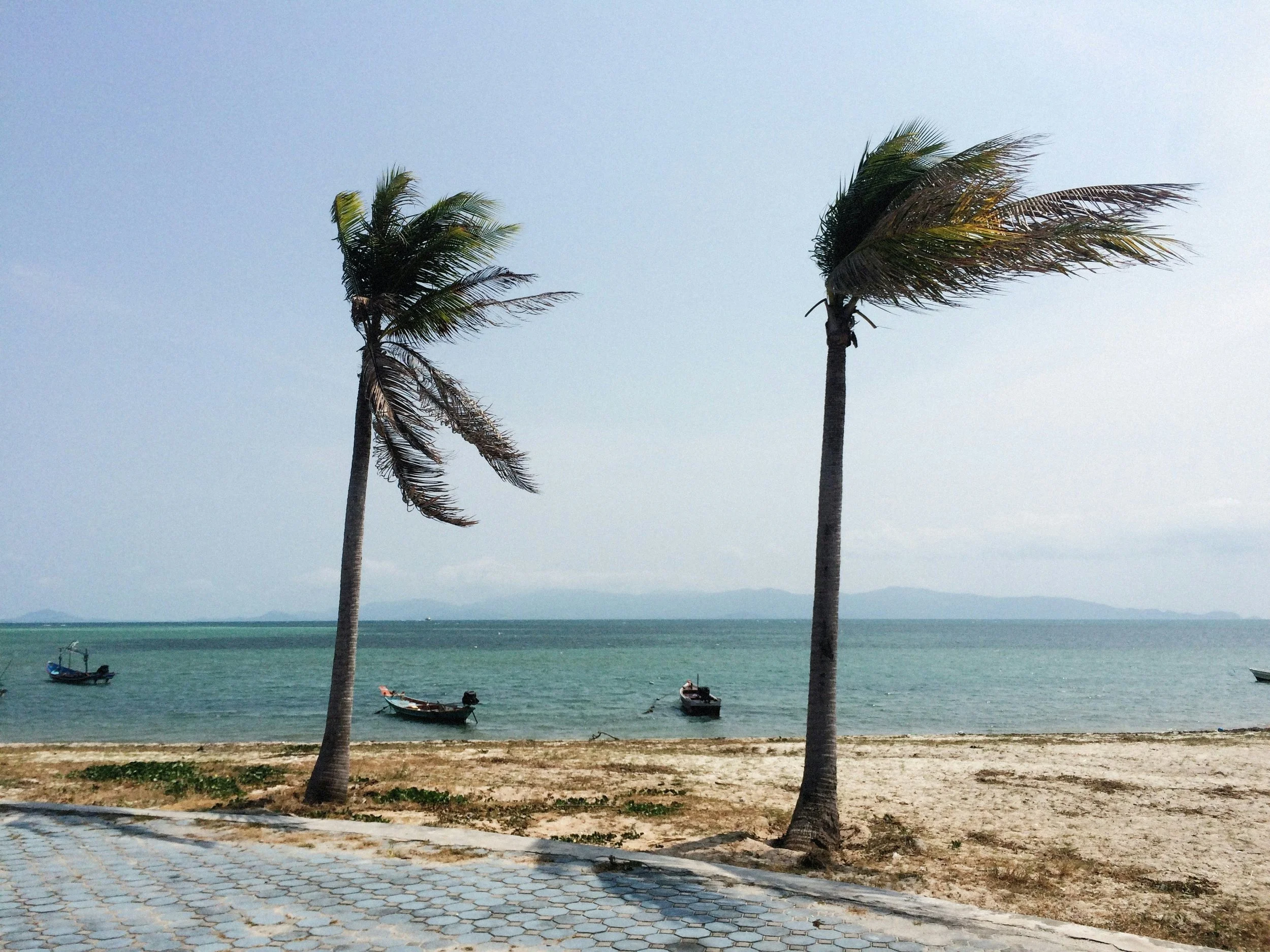
Florida Breathes Easy as Hurricane Season Delivers Quiet Summer
Florida's 2026 hurricane season has so far delivered something residents and emergency managers rarely allow themselves to count on: calm. NOAA predicted a below-normal Atlantic season as far back as May, and the forecast has held, through the peak of the Atlantic season, the Sunshine State has been largely spared from the direct landfalls and tropical activity that have historically tested its communities, infrastructure, and emergency response systems.
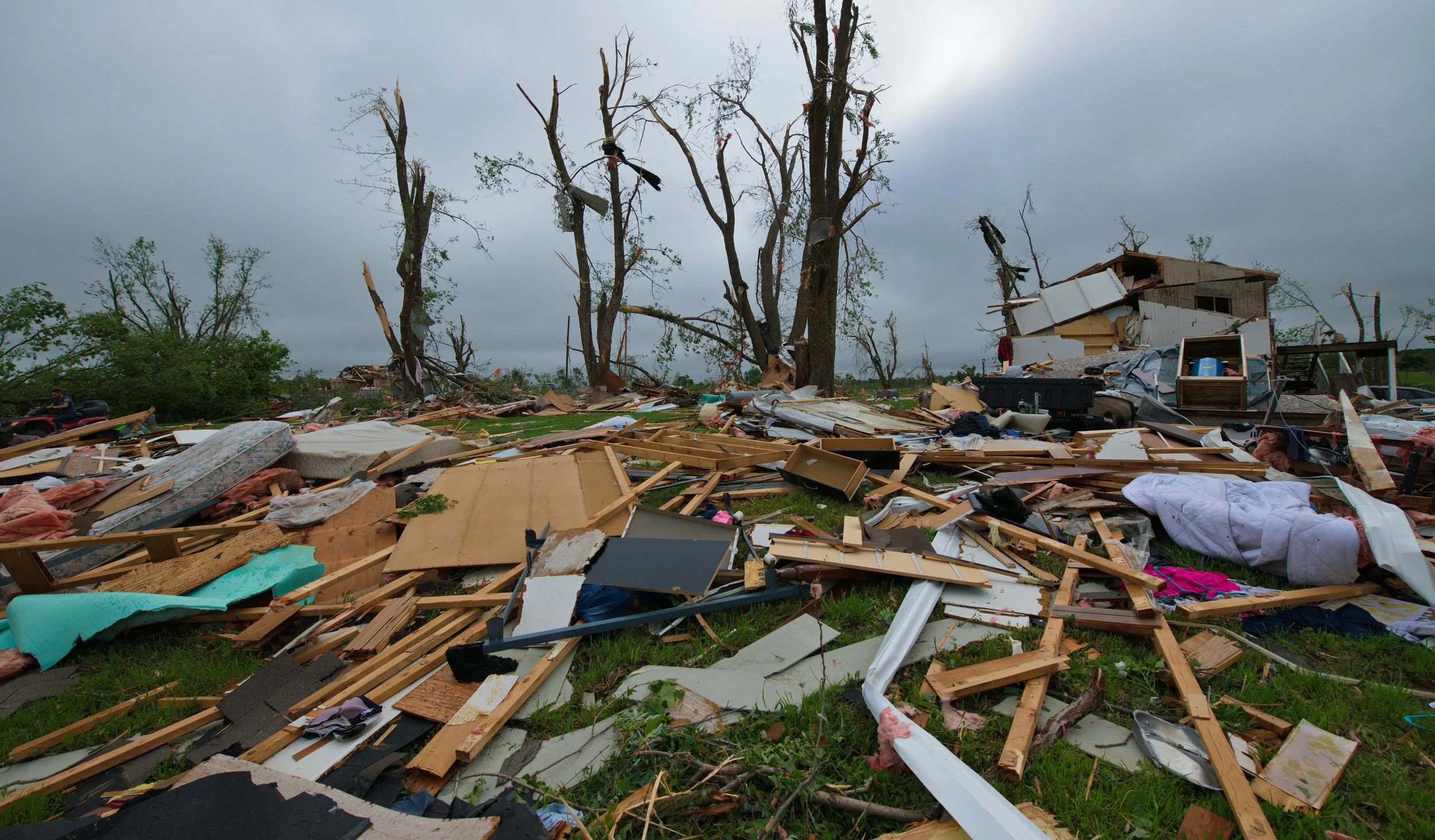
How Rockport Texas Turned Devastation Into a Blueprint for Resilience
When Hurricane Harvey hit Texas as a Category 4 storm in August 2017, the eye passed right over the city of Rockport. Harvey's winds and storm surge destroyed or badly damaged much of Rockport-Fulton. The storm also wrecked the century-old breakwater that protected the harbor, and it left City Hall so damaged that inspectors ruled it unsalvageable.

Disaster Recovery Shouldn’t Start Over
When the United States’ Accountability Office (GAO) looked at why some states rebuilt homes faster than others after the 2017 hurricanes, one finding stood out: The two states spending recovery money the fastest, Texas and Florida, had more recent experience running federal disaster housing programs. Those states weren't more generous and didn't have smaller caseloads. They had done this kind of work recently.
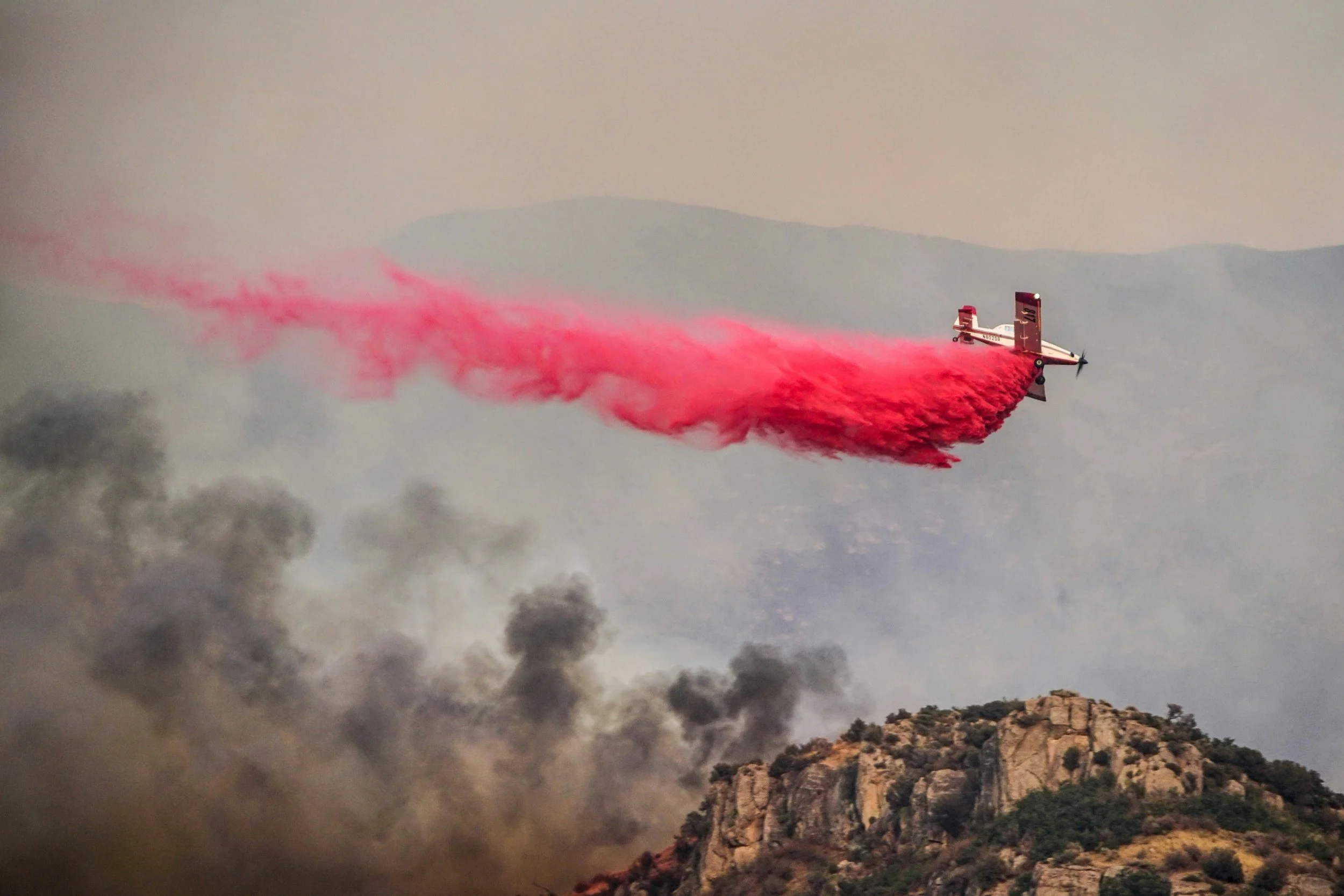
Could Countries Be Fined for Wildfires? What to Know About the Tariff Debate.
When Canadian wildfire smoke blanketed more than 100 million Americans last week, President Trump responded with a proposal that broke new ground in how countries think about cross-border natural disasters. In a series of Truth Social posts, Trump threatened to add the cost of the smoke's economic damage to the tariffs Canada already pays on goods exported to the United States. "This is Willful Negligence," he wrote, "and becoming a yearly occurrence, costing the United States Billions of Dollars, which cost of this pollution must of necessity be added to the TARIFFS Canada is currently paying."
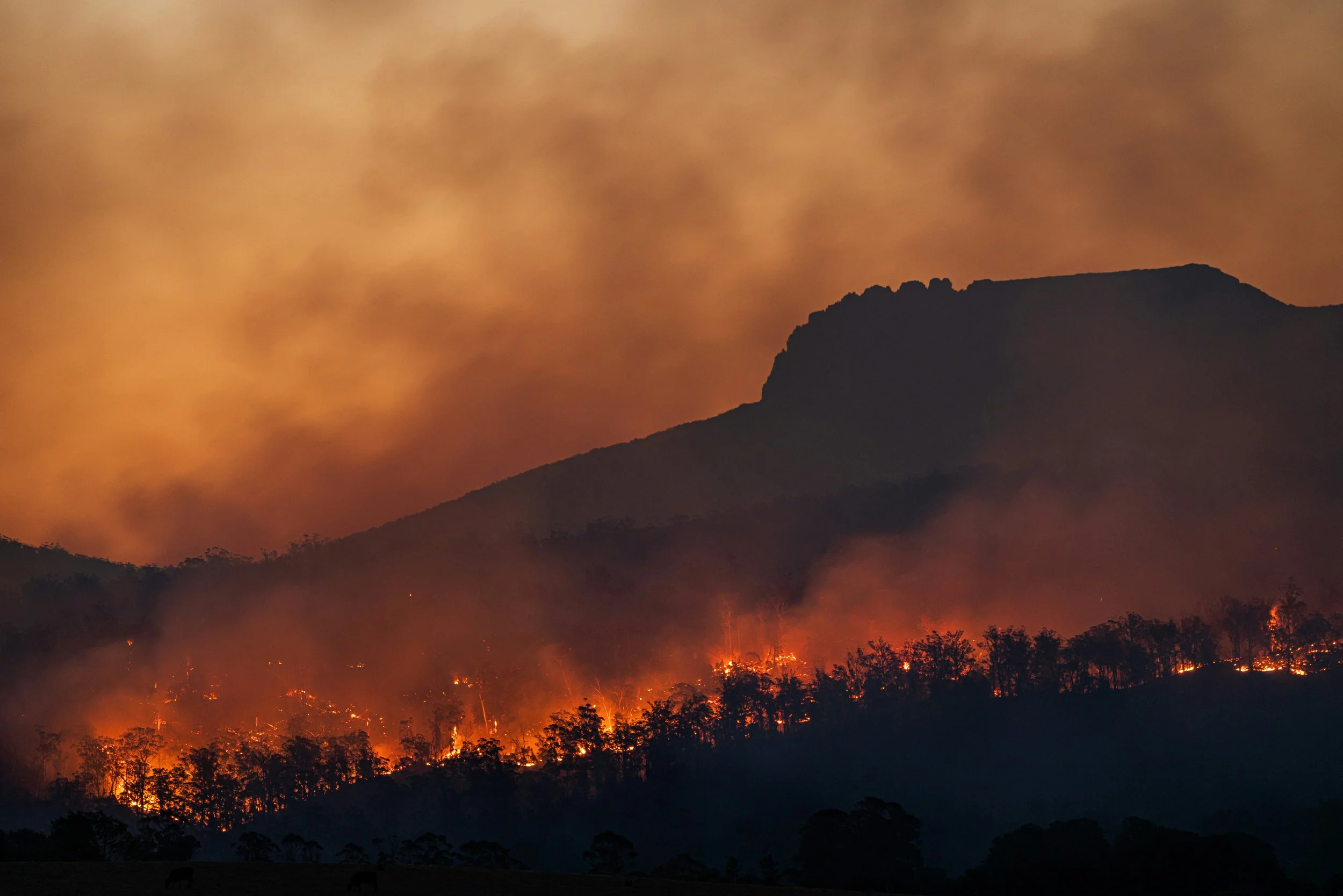
When the Sky Turns Orange: How Communities Coped With Canadian Wildfire Smoke
In mid-July, more than 100 million people across 18 states and the District of Columbia woke up to air they couldn't safely breathe. Thick, choking smoke from wildfires burning in Canada and northern Minnesota settled over the Great Lakes, Northeast, and Mid-Atlantic, sending air quality readings into the "very unhealthy" and "hazardous" range for days.

For the Second Year in a Row, Texas Hill Country Floods. Communities Are Rebuilding Again
Days of relentless rain turned deadly in the Texas Hill Country in mid-July, triggering catastrophic flash flooding that killed at least two people and forced more than 200 water rescues by boat and helicopter. The hardest-hit areas were the same communities still carrying scars from devastating floods just one year earlier, including the stretch of river that claimed the lives of two dozen children and counselors at Camp Mystic in the summer of 2025.
America Answers: How Nonprofits and Communities Are Driving Venezuela's Earthquake Recovery
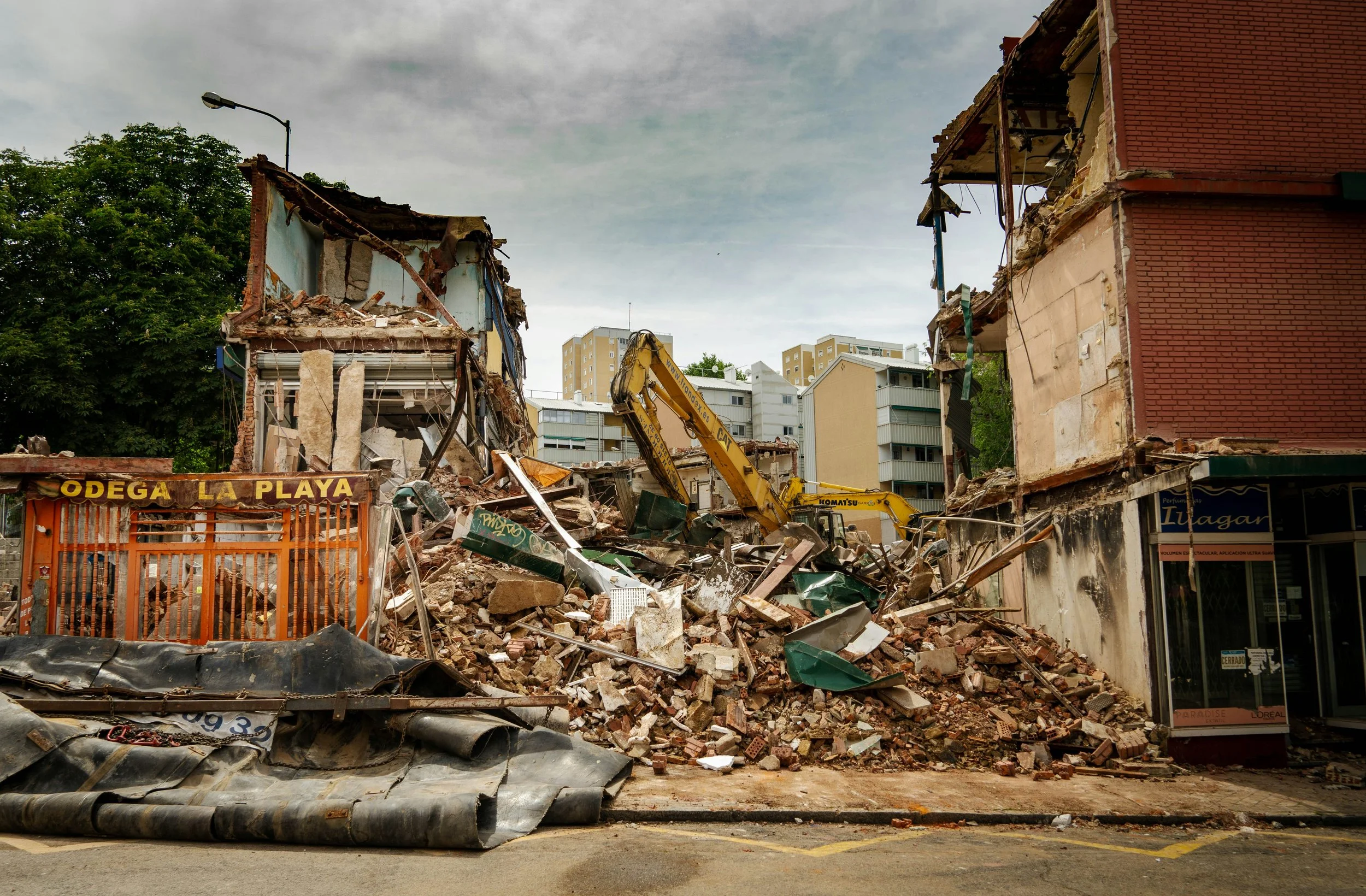
On the evening of June 24, two massive earthquakes struck northern Venezuela within 39 seconds of each other. The first measured a magnitude 7.2. The second, centered near the coastal city of Morón, registered a 7.5, making it the strongest earthquake to hit the country in more than a century. More than 430 aftershocks followed.
Hurricane Season Is Here. Don't Let a Quiet Forecast Fool You
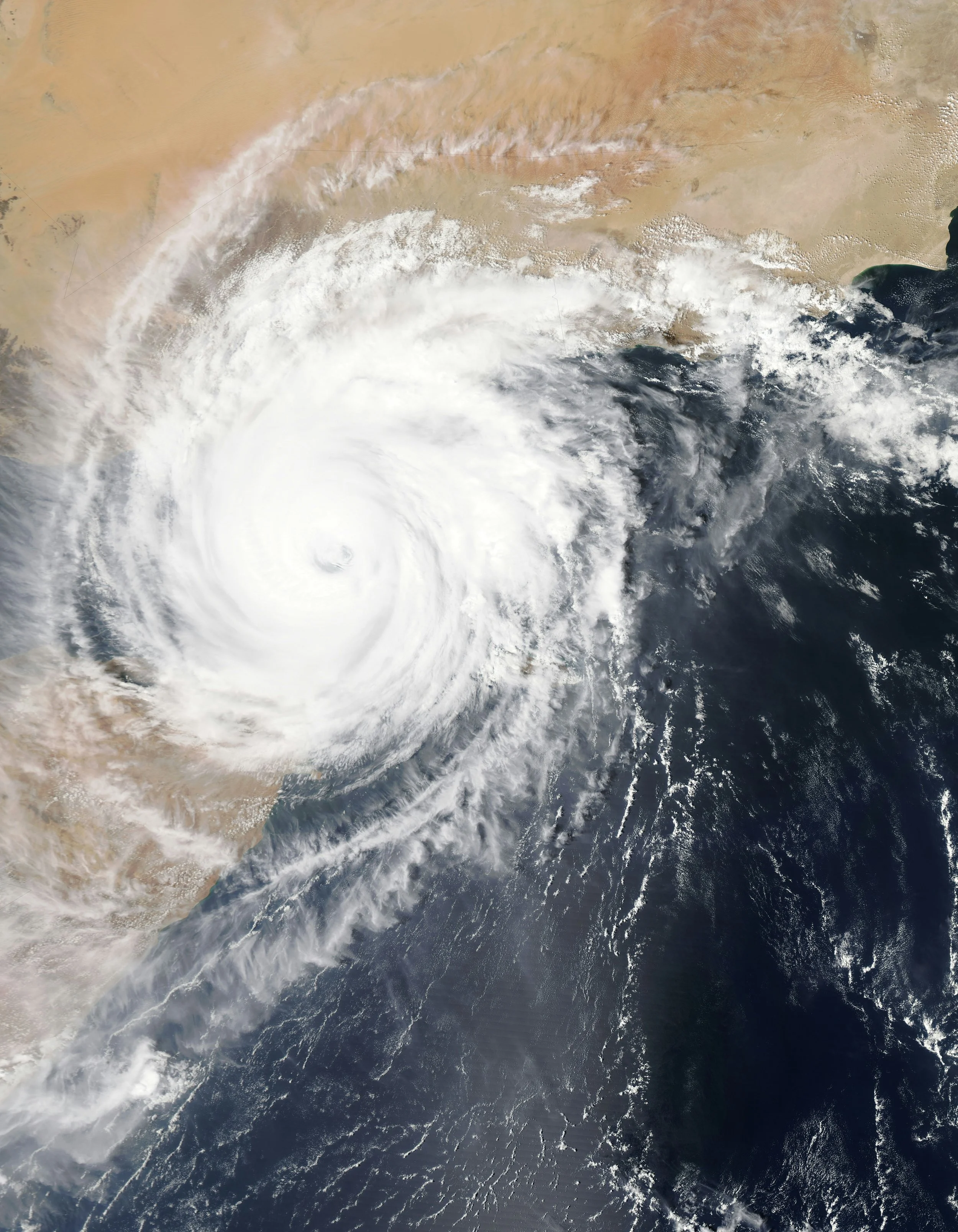
NOAA released its 2026 Atlantic hurricane season outlook on May 21, and on the surface, the numbers look reassuring. Federal forecasters are predicting a below-average season, with eight to 14 named storms expected, three to six of which could become hurricanes, and one to three of those reaching major hurricane strength at Category 3 or higher.
What the FEMA Review Council's Final Report Means for You
After months of deliberation, the president's FEMA Review Council released its final report on May 7, and the picture it paints is one of sweeping change. The council, established by executive order in January 2025 to conduct a full-scale review of the agency, voted to approve a set of recommendations that would fundamentally reshape how the federal government responds when disaster strikes.
Tornado Outbreak Sweeps the Midwest, Communities Begin Rebuilding
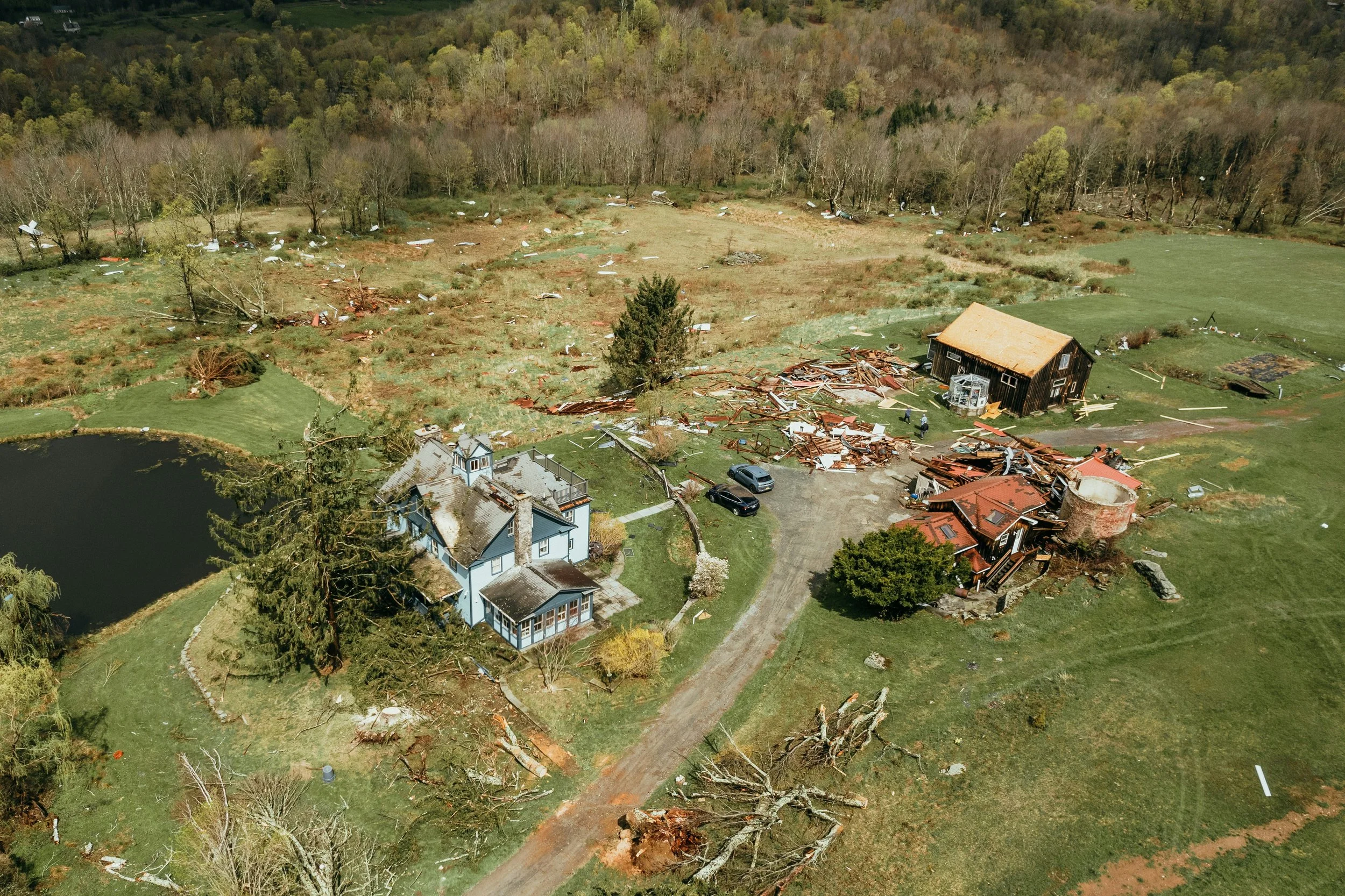
In a matter of hours on April 17 and 18, a violent stretch of severe weather tore across the Upper Midwest, leaving a path of damaged homes, downed trees, and blocked roads from Iowa and Illinois to Minnesota and Wisconsin. At least 66 tornado reports were submitted to the National Weather Service, making it one of the most significant outbreak events the region had seen in years.
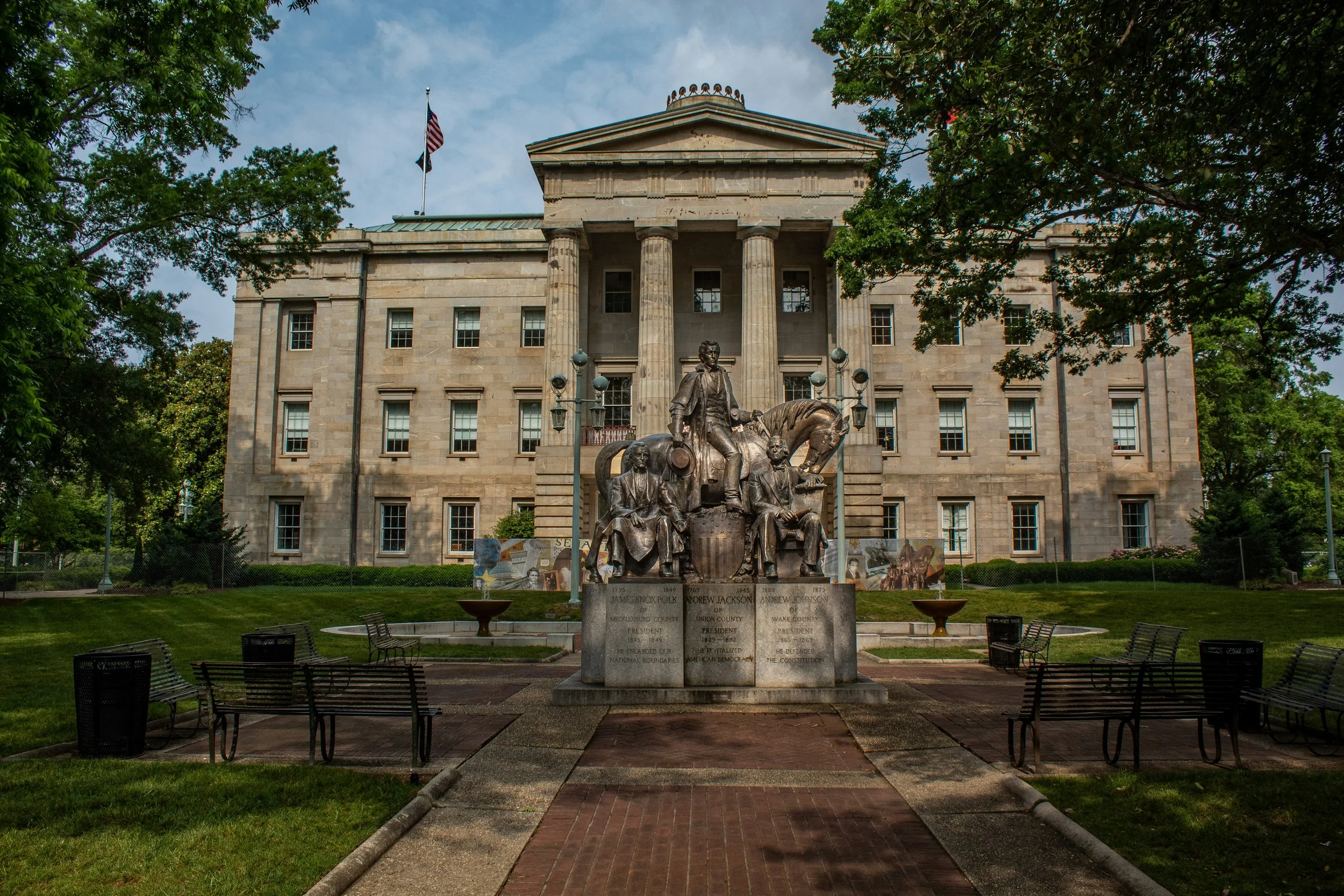
FEMA's Evolving Role: States Step Up in Disaster Response
When Homeland Security Secretary Markwayne Mullin touched down in Chimney Rock, North Carolina in early April, he wasn't just visiting a town still piecing itself back together after Hurricane Helene. He was laying out a new vision for how America responds to disasters.

Maui Is in Recovery Mode — Again
For a community still carrying the weight of one of the deadliest wildfires in American history, the timing couldn't be worse. Maui County is now deep into the recovery phase of a catastrophic storm event — one that emergency managers are calling the worst flooding in living memory on the island.
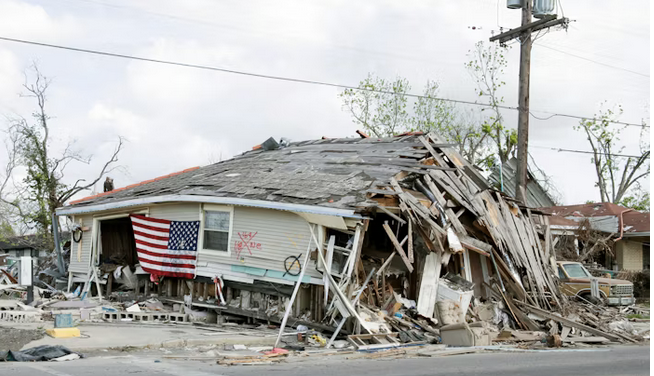
Western North Carolina Finally Gets Helene Relief Money — But a New Bill Asks: How Do We Fix the System?
For a community still carrying the weight of one of the deadliest wildfires in American history, the timing couldn't be worse. Maui County is now deep into the recovery phase of a catastrophic storm event — one that emergency managers are calling the worst flooding in living memory on the island.
Understanding the FEMA Act: Proposed Changes to Disaster Response
Congress is considering legislation that would fundamentally reshape how the federal government manages disasters. The Fixing Emergency Management for Americans Act - known as the FEMA Act - has attracted more than 50 co-sponsors from both parties . The bill proposes several changes to how the federal government manages disaster response and recovery.
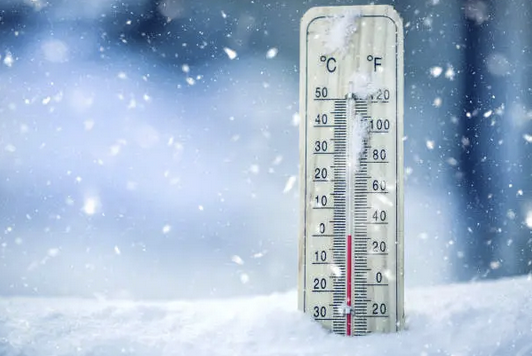
The 72-Hour Test America Has to Pass This Weekend
A sprawling winter system is about to grade how well the country performs under pressure. Warnings of heavy snow from the Plains through the Northeast and destructive ice from Texas across the mid‑South to the Carolinas are already triggering emergency declarations and mobilizations. Forecasts point to widespread power cuts, treacherous travel, and life‑threatening cold lingering into next week. That’s not hyperbole; it’s the common thread in today’s alerts from forecasters and governors, and it’s the checklist that matters for recovery.
Georgia’s Wait for Disaster Dollars Shows How to Fix Recovery in 2026
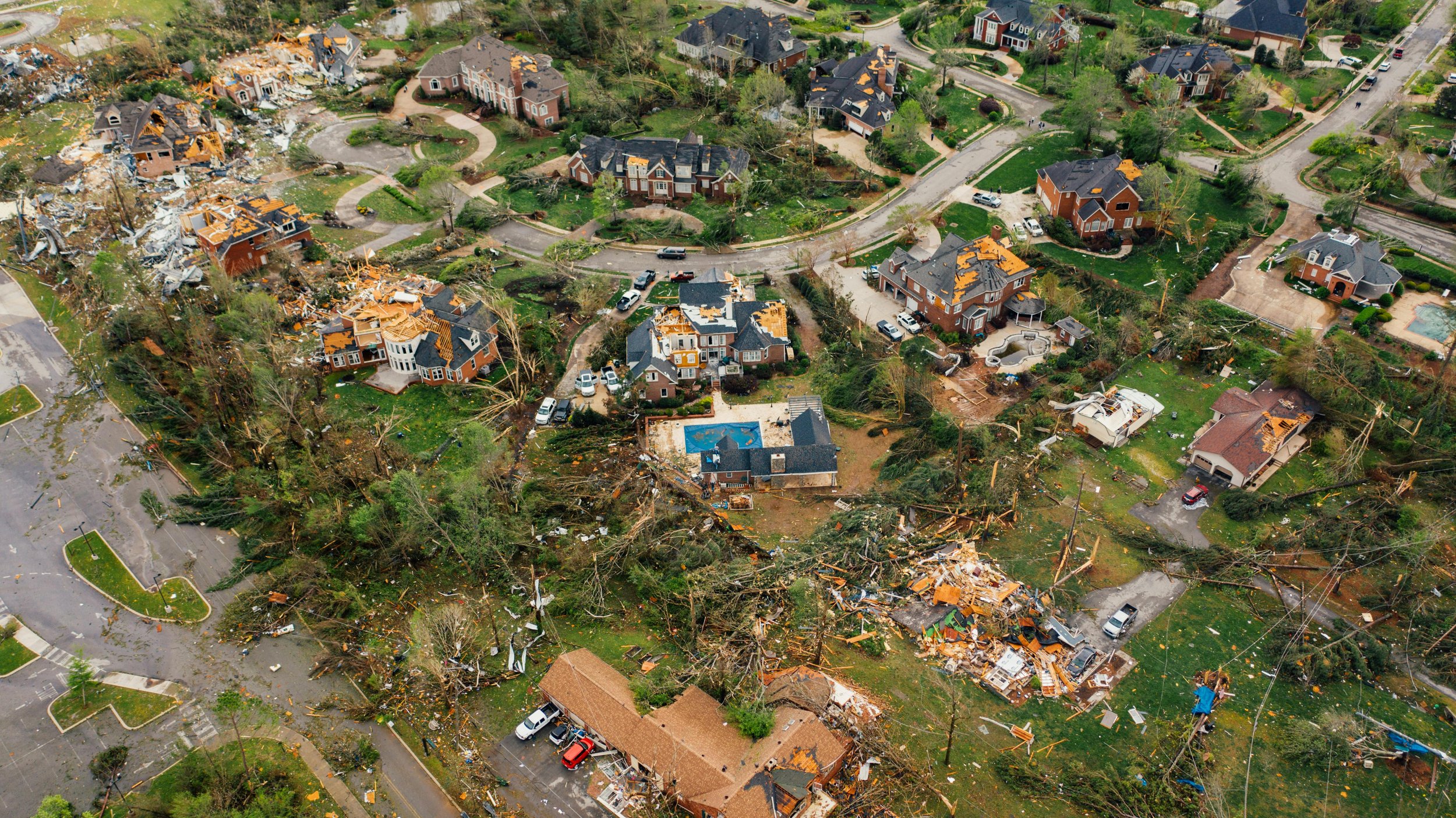
The headline sounds encouraging: hundreds of millions in federal relief are finally flowing to Georgia after Hurricane Helene. The story behind the headline tells a harder truth about disaster recovery: communities shouldn’t have to wait months for reimbursement to clear debris, reopen roads, or restore power. The Associated Press reports that FEMA is sending roughly $350 million to Georgia localities and electric co‑ops after accusations of delays, with officials noting even larger sums remain pending. The lesson isn’t about blame; it’s about building a system that moves money as quickly as the water rose.

Washington’s Floods are a Warning. Let’s Rebuild Smarter in 2026.
This week’s atmospheric river didn’t just swamp Western Washington. It revealed how recovery still defaults to speed over sense. Evacuations, mudslides, rail service suspended, highway closures - the familiar cascade after torrents push rivers past major flood stage from the Skagit to the Snoqualmie. Emergency declarations and rescue operations are essential. But if we want fewer repeat losses next year, the bigger test comes after the water drops.
Five Lahaina families get keys to recovery, serving as a model for future disaster aid
Five Lahaina families are stepping into the housing market with “shopping letters” that finally let them make competitive offers on homes, a long-awaited turn from uncertainty to stability after the 2023 fires. It’s exactly the kind of practical, fast-moving help survivors have asked for: assistance that works with the realities of Maui’s housing market and gives displaced families real leverage to buy and stay rooted in their community.
Scott and Johnson Are Right: California Owes Fire Survivors Answers - and a Readiness Plan
Accountability isn’t optional after a disaster. On November 12, Senators Rick Scott and Ron Johnson sent a detailed document request to California Parks and Recreation Director Armando Quintero ahead of today’s field hearing in Pacific Palisades. Their letter seeks training manuals, mutual‑aid agreements, prescribed‑burn records, and any draft after‑action reports tied to the Palisades and Lachman fires - materials that can reveal who was responsible for what, and when.
The Alaska Disaster You Missed—And the Rapid Aid That Followed
Western Alaska just lived through a catastrophe most Americans never saw. The remnants of Typhoon Halong slammed the Yukon - Kuskokwim Delta in mid-October, driving hurricane‑force winds and a storm surge roughly six feet above normal into roadless Alaska Native villages like Kipnuk and Kwigillingok. Homes floated off foundations, boardwalk roads were shredded, and essential services failed. At least one person died and two remain missing. Hundreds were airlifted out in one of the largest evacuations in state history, yet national coverage barely registered the scale.